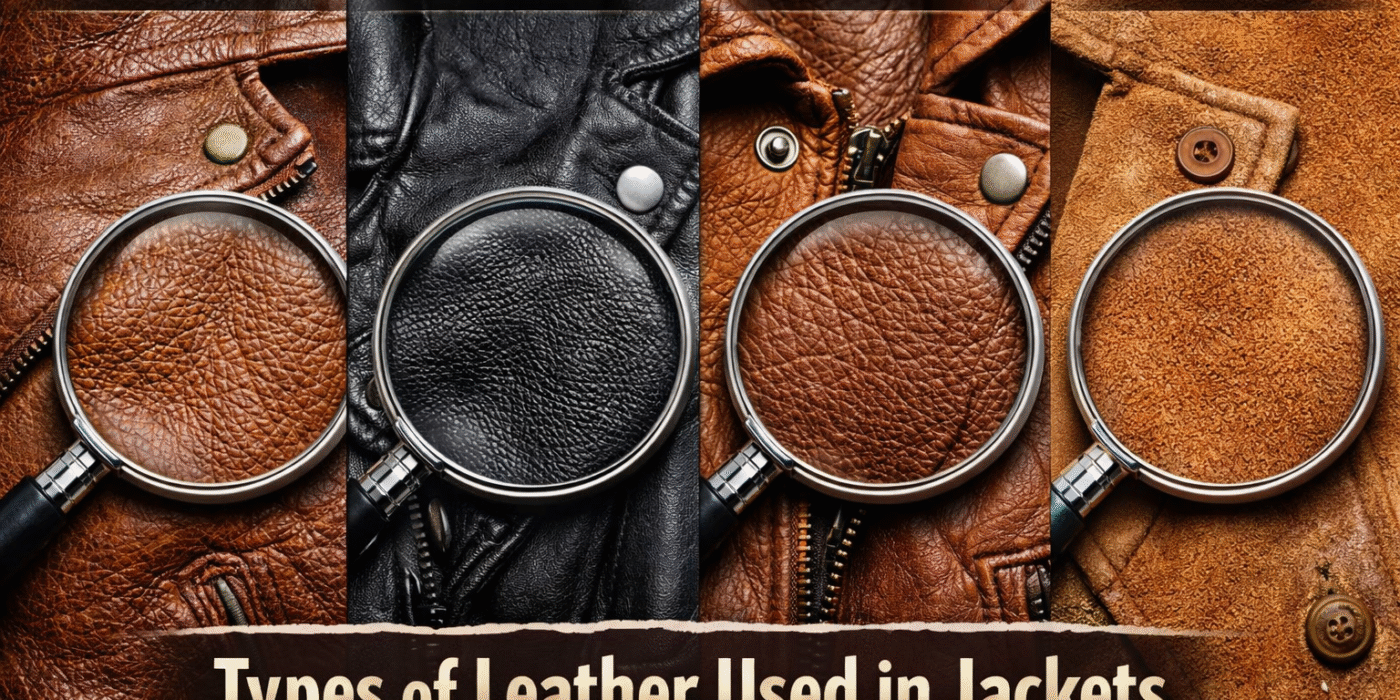
Types of Leather Used in Jackets: Full Grain, Top Grain, Suede Explained (Complete Guide)
When shopping for a leather jacket in the USA, one of the most confusing parts is understanding the types of leather used in jackets. Many brands advertise “genuine leather,” but that doesn’t automatically mean premium quality.
If you want to invest in a leather jacket that lasts for years, feels comfortable, and ages beautifully, you need to understand the difference between full grain, top grain, genuine leather, and suede.
This guide will explain everything clearly — so you know exactly what you’re paying for.
Why Leather Type Matters in a Jacket
Not all leather jackets are created equal.
The type of leather affects:
-
Durability
-
Softness and comfort
-
Breathability
-
Aging and patina
-
Price
-
Overall appearance
Choosing the right leather type can mean the difference between a jacket that lasts 15 years and one that starts cracking after two.
1. Full Grain Leather – The Highest Quality Option
Full grain leather is considered the premium standard in leather jackets.
It comes from the top layer of the hide and has not been sanded or corrected. That means it keeps the natural grain pattern, pores, and tiny imperfections.
Key Characteristics of Full Grain Leather
-
Extremely durable
-
Develops rich patina over time
-
Breathable and strong
-
Thick and structured feel
-
Natural texture (not perfectly smooth)
Because it hasn’t been altered, full grain leather maintains the strongest fibers of the hide. This makes it ideal for premium leather jackets, especially biker and heritage styles.
Pros
✔ Longest lifespan (10–20+ years)
✔ Ages beautifully
✔ High resale value
✔ Premium look and feel
Cons
✖ Higher price
✖ Slightly stiffer at first (softens with wear)
If you’re looking for a long-term investment piece, full grain leather is hard to beat.
2. Top Grain Leather – Smooth and Refined
Top grain leather is the second-highest quality leather used in jackets.
It also comes from the top layer of the hide, but it has been lightly sanded to remove imperfections. After sanding, a finish coat is applied to give it a more uniform appearance.
Key Characteristics of Top Grain Leather
-
Smoother surface
-
Slightly thinner than full grain
-
More flexible
-
Resistant to stains
-
More uniform appearance
Top grain leather jackets are very popular in the US market because they offer a balance between durability and refined style.
Pros
✔ Softer feel
✔ Cleaner appearance
✔ More affordable than full grain
✔ Still very durable
Cons
✖ Does not develop patina as richly
✖ Slightly less strong than full grain
If you want a premium look with a smoother finish, top grain leather is a smart choice.
3. Genuine Leather – What Does It Really Mean?
This is where many buyers get confused.
“Genuine leather” sounds high quality — but it simply means the product is made from real leather. It does not refer to the top grade of leather.
Genuine leather usually comes from lower layers of the hide after the top layers have been removed.
Key Characteristics
-
More processed
-
Less durable than full or top grain
-
More affordable
-
Often heavily treated or embossed
Genuine leather jackets can still look good, but they typically do not last as long as higher grades.
Pros
✔ Real leather material
✔ Budget-friendly
✔ Decent appearance
Cons
✖ Shorter lifespan
✖ Less natural aging
✖ Lower structural strength
If you’re buying a jacket for occasional use, genuine leather can work — but for long-term durability, full or top grain is better.
4. Suede – Soft and Stylish
Suede is made from the underside of the animal hide. Instead of using the outer layer, manufacturers flip the hide and sand the inside to create a soft, velvety texture.
Key Characteristics of Suede
-
Soft and fuzzy texture
-
Lightweight
-
Flexible
-
Casual, fashionable look
Suede jackets are popular for fall fashion and streetwear styling.
Pros
✔ Extremely soft feel
✔ Lightweight
✔ Stylish and modern
Cons
✖ Less water resistant
✖ Stains easily
✖ Requires careful maintenance
Suede is great for fashion-focused jackets but not ideal for harsh weather conditions.
Comparison Table: Types of Leather Used in Jackets
| Leather Type | Durability | Texture | Aging | Price | Best For |
|---|---|---|---|---|---|
| Full Grain | Very High | Natural | Develops Patina | $$$$ | Premium jackets |
| Top Grain | High | Smooth | Moderate aging | $$$ | Everyday premium wear |
| Genuine Leather | Medium | Processed | Minimal patina | $$ | Budget options |
| Suede | Medium | Soft/Fuzzy | Wears differently | $$–$$$ | Fashion styles |
Which Leather Type Is Best for a Jacket?
The answer depends on your goal.
For Long-Term Investment
Choose Full Grain Leather.
For Clean, Modern Look
Choose Top Grain Leather.
For Budget-Friendly Option
Choose Genuine Leather.
For Soft Fashion Statement
Choose Suede.
How to Identify Leather Type When Shopping Online
Buying online requires attention to detail.
Here’s what to check:
-
Look for “Full Grain” or “Top Grain” mentioned clearly.
-
Read material specifications carefully.
-
Zoom in on product images.
-
Check customer reviews.
-
Avoid vague descriptions like “premium leather” without details.
Brands that clearly state leather type are usually more transparent and trustworthy.
Does Higher Price Always Mean Better Leather?
Not always — but often.
Full grain leather requires minimal processing and preserves the strongest fibers. That production process costs more.
If a jacket is extremely cheap but claims to be premium full grain leather, be cautious.
Quality leather involves:
-
Sourcing high-grade hides
-
Skilled tanning process
-
Craftsmanship
-
Durable stitching and lining
Leather type is just one part of overall jacket quality.
Leather Jacket Lifespan by Type
-
Full Grain: 15–20+ years
-
Top Grain: 10–15 years
-
Genuine Leather: 5–10 years
-
Suede: 5–10 years (with proper care)
Proper maintenance significantly affects lifespan.
Caring for Different Leather Types
Each leather type requires different care.
Full Grain & Top Grain
-
Use leather conditioner
-
Avoid excessive water
-
Store properly
Genuine Leather
-
Light conditioning
-
Avoid heavy wear
Suede
-
Use suede brush
-
Avoid rain exposure
-
Apply suede protector spray
Regular care keeps jackets looking new for years.
Common Myths About Leather Types
Myth 1: Genuine Leather Is the Best
No. It simply means real leather — not highest grade.
Myth 2: All Leather Feels the Same
Texture varies significantly between types.
Myth 3: Suede Is Not Real Leather
False. Suede is real leather — just from a different layer.
Final Thoughts
Understanding the types of leather used in jackets helps you make smarter buying decisions.
If you want durability and long-term value, full grain leather is unmatched.
If you prefer a smoother finish with excellent durability, top grain leather is ideal.
For budget-conscious buyers, genuine leather offers real leather at a lower price point.
For soft, fashion-forward styles, suede delivers comfort and elegance.
The key is knowing what fits your lifestyle and expectations.
When you understand leather types, you don’t just buy a jacket — you invest in quality.
FAQs
What is the best type of leather for jackets?
Full grain leather is considered the highest quality and most durable option.
Is top grain leather real leather?
Yes, top grain leather is real leather and is high quality.
Is genuine leather lower quality?
It is real leather but lower grade compared to full or top grain.
Is suede real leather?
Yes, suede is made from the underside of animal hide.